Rewire Your Reality: The Science of Psilocybin, Neuroplasticity, and the Modern Mind
Are you exploring ways to enhance your cognitive function, but find yourself navigating a world of conflicting claims and dense scientific jargon? You sense there’s a powerful connection between psilocybin and the brain’s potential for change, yet you need a clear, evidence-based guide to separate the hype from the science. You’re not just looking for a product; you’re seeking a credible, intentional path toward mental clarity and renewal.
This is the core challenge for the modern rebel and creative mind: finding a trustworthy resource that respects both ancient plant wisdom and rigorous scientific inquiry. The search for cognitive enhancement is often a journey through ambiguity. That’s why we’ve synthesized the latest research from institutions like Yale, Harvard, and Nature to provide the authoritative guidance you need. A landmark study from Yale University, for instance, revealed that even a single dose of psilocybin could spur a 10% increase in the number and size of neuronal connections in the brains of mice—a tangible sign of the brain’s ability to physically rewire itself.
This isn’t about chasing trends. It’s about understanding the profound science of neuroplasticity and how to intentionally cultivate it.
[]
The Modern Mind Under Siege
In today’s world, it’s easy to feel like your brain is working against you. The constant digital notifications, the pressure to endlessly produce, and the chronic low-grade stress create a state of cognitive fatigue. This isn’t a personal failure; it’s a physiological response.
Your brain, in its effort to be efficient, builds rigid neural superhighways. These pathways are excellent for routine tasks but terrible for creativity, problem-solving, and emotional resilience. You might experience this as:
- Creative Plateaus: Feeling stuck in the same loops of thinking, unable to generate fresh ideas.
- Emotional Ruts: Defaulting to familiar patterns of anxiety or frustration, even when you want to respond differently.
- Mental Fog: A persistent lack of clarity and focus that a good night’s sleep doesn’t seem to fix.
- Diminished Resilience: Finding it harder to bounce back from setbacks or adapt to unexpected changes.
Research shows that factors like chronic stress, overwork, and even the after-effects of a hangover can physically degrade neural connections and inhibit the birth of new brain cells. Your brain isn’t broken; it’s just been weathered by the demands of modern life. The critical question is: how do you create the conditions for it to repair, rebuild, and bloom?
Unlocking the Brain’s Blueprint for Change
The solution lies in a fundamental process called neuroplasticity—the brain’s innate ability to reorganize itself by forming new neural connections throughout life. A key component of this is neurogenesis, the creation of new neurons, particularly in regions like the hippocampus, which is central to learning and memory.
This is where the science of sub-perceptual psilocybin becomes so compelling. When used intentionally, a microdose acts not as a blunt instrument, but as a catalyst for these natural, restorative processes. It helps create a fertile ground for new thoughts, perspectives, and emotional responses to take root.
The Neurochemical Symphony: How a Microdose Works
At the heart of psilocybin’s effect is its active metabolite, psilocin. This compound bears a striking structural resemblance to serotonin, a key neurotransmitter that regulates mood, and it interacts with the brain in a few profound ways:
- Activates the 5-HT2A Receptor: Think of the 5-HT2A serotonin receptor as a master switch for higher-order consciousness. When psilocin binds to it, it triggers a cascade of downstream effects that promote neural growth and flexibility. This activation is the primary mechanism behind the increase in brain plasticity.
- Stimulates Brain-Derived Neurotrophic Factor (BDNF): Often called “Miracle-Gro for the brain,” BDNF is a protein that is vital for the survival of existing neurons and the growth of new ones. Studies published in journals like Nature confirm that psychedelics can elevate BDNF levels, directly supporting the brain’s structural integrity. This process helps initiate dendritogenesis (growth of new dendritic branches) and spinogenesis (growth of new dendritic spines), which are the physical building blocks of learning and memory.
- Desynchronizes Brain Networks: Psilocybin temporarily quiets the “Default Mode Network” (DMN), the brain network associated with ego, self-rumination, and rigid thought patterns. By reducing its influence, it allows for novel connections to form between brain regions that don’t normally communicate. This neural “cross-talk” is believed to be a source of enhanced creativity and perspective shifts.
A single microdose doesn’t magically solve problems. Instead, it creates a precious “window of plasticity,” making the brain more receptive to change and new learning. It’s a tool that, when combined with intentional practices, can help you actively sculpt your own neural landscape.
A Framework for Cognitive Enhancement
Evaluating psilocybin microdosing requires a clear comparative framework. It’s not about finding a single “best” solution, but understanding how different approaches support brain health.
| Modality | Primary Mechanism of Action | Key Cognitive Outcome | MycroChips Philosophy |
|---|---|---|---|
| Psilocybin Microdosing | Structural & Functional Change: 5-HT2A activation promotes BDNF, neurogenesis, and new synaptic connections. | Enhanced Plasticity: Increased cognitive flexibility, divergent thinking, and emotional adaptability. | The catalyst. Creates the biological opportunity for profound, lasting change. |
| Mindfulness & Chanting | State-Based Change: Promotes alpha brain wave states, calms the nervous system, and improves focus. | Improved Regulation: Greater emotional control, reduced stress, and enhanced present-moment awareness. | The practice. Leverages the window of plasticity to build new, healthier mental habits. |
| Creative Pursuits & Dance | Behavioral & Motor Change: Engages multiple brain regions, improves coordination, and releases endorphins. | Integrated Well-being: Boosted mood, improved somatic awareness, and novel problem-solving skills. | The integration. Embodies new insights and reinforces neural pathways through action. |
| Chronic Stress/Overwork | Structural Degradation: Elevates cortisol, which can shrink the prefrontal cortex and inhibit neurogenesis. | Cognitive Rigidity: Reduced memory function, increased anxiety, and burnout. | The resistance. The modern challenge that intentional practices are designed to transform. |
As the table shows, microdosing is not a replacement for healthy lifestyle practices but a powerful complement to them. It provides the biological substrate that can make those other practices even more effective. You can explore our guides on creating your own [] or dive deeper into our mission to [] to see how we embody this philosophy.
Your Questions, Answered with Scientific Clarity
Navigating this space requires honest, transparent answers to the tough questions. Here, we address the most common objections and concerns raised by discerning individuals like you.
Q1: How much of microdosing is just the placebo effect?A: This is an excellent and critical question. Research from institutions like Harvard Health has acknowledged the significant role of the “expectancy effect” in microdosing studies—what you expect to happen can influence the outcome. However, that’s not the whole story. Preclinical research on cell cultures and in animal models, which are immune to placebo, demonstrates clear, tangible biological changes. The Yale study that found a 10% increase in dendritic spines is a perfect example. While a positive mindset is undoubtedly beneficial, there is a growing body of evidence showing that psilocybin initiates real, structural changes in the brain. The art is in combining the two: leveraging the biological window of plasticity with positive, intentional action.
Q2: What are the proven cognitive benefits? Will it make me smarter?A: The evidence points to nuanced benefits rather than a simple boost in IQ. The most robust findings, reported in a large-scale Nature study, show small-to-medium improvements in mood, reduced anxiety, and attenuated depression symptoms. When it comes to pure cognition, a comprehensive review in 2023 found that microdosing can enhance divergent thinking (the ability to generate creative ideas) but has mixed or inconclusive results for convergent thinking (finding a single correct answer). The primary benefit isn’t about raw intelligence, but about cognitive flexibility—the ability to break free from rigid patterns and see new possibilities.
Q3: Is it safe, and what are the potential side effects?A: At sub-perceptual doses, psilocybin has a favorable safety profile. The most commonly reported adverse effects are mild and transient, such as headaches, insomnia, or a slight increase in anxiety, particularly at the beginning of a protocol. It’s also crucial to understand that the effects are dose-dependent. Research has shown that while low doses of psilocybin promote hippocampal neurogenesis in mice, higher doses can sometimes have the opposite effect. This underscores the importance of precise, consistent, and truly micro dosing. Our commitment at MycroChips is to provide products that deliver that precision, taking the guesswork out of your ritual.
Q4: How is microdosing different from taking a full, psychedelic dose?A: The difference is both experiential and neurological. A full or “macro” dose induces a powerful, non-ordinary state of consciousness by causing a large-scale desynchronization of brain networks. A microdose is sub-perceptual, meaning it does not produce psychoactive effects or interfere with daily functioning. Think of it this way: a macrodose is like a controlled demolition of old, rigid structures in the brain, allowing for a major reset. A microdose is more like ongoing architectural maintenance—subtly strengthening supportive connections and pruning away unhelpful ones over time, all while you continue to inhabit the building.
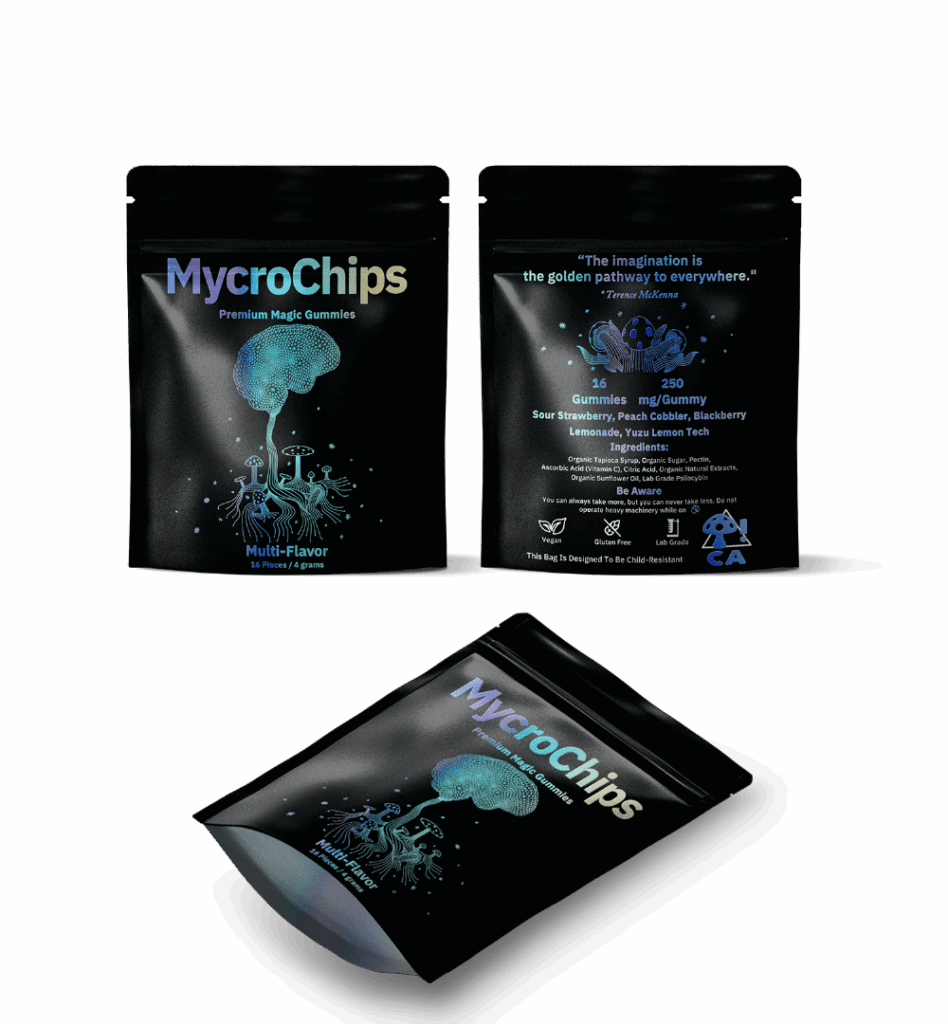
Q5: What’s the right protocol or dosage for me?A: There is no universal “one-size-fits-all” answer, as individual biochemistry and sensitivity vary. However, the goal is always to find your sub-perceptual threshold—the dose at which you feel subtle benefits in mood, creativity, or focus without any overt sensory changes. This is why intentional craft and precise formulation are at the core of our values. Products crafted with care, like our [], allow you to explore this personal threshold with confidence and consistency, transforming an unknown into a known, intentional ritual.
From Burnout to Bloom: Your Next Step
You are no longer just exploring a curiosity; you are evaluating a tool for intentional transformation. You’ve seen the science, you understand the mechanisms, and you recognize the potential to move from a state of cognitive fatigue to one of clarity, creativity, and connection.
The journey doesn’t end with information. It begins with an intentional act. It’s time to choose a path grounded in transparency, quality, and a deep reverence for both ancient plant wisdom and modern science.
Explore our collection of adaptogenic chocolates and botanical gummies. Each product is a sensory experience, crafted to support your journey toward a more plastic, resilient, and vibrant mind. We don’t chase trends. We cultivate transformation.
[]
Take the next step in your conscious evolution. Discover the ritual that resonates with you.